Thanks for your interest in our Nature Hunt. Unfortunately this is a mobile only experience so please use your phone
Thanks for your interest in our Nature Hunt. Unfortunately this is a mobile only experience so please find us on your mobile device



This bit is for the adult explorers!
This a self guided trail so we’ll need your help to keep our adventurers on track and engaged!
Not everything that we point you to be will found today or easy to spot but encourage your young ones to take time to look around them and listen carefully!
They're going to need all of their senses and exploring should be 95% of the fun!
Tips for Explorers
Be careful! You'll be walking alongside rivers, near trees and through wet grasslands in places so watch your step
Always have the right equipment. If its wet, wear wellies. If its hot, bring water. If too much of either of things, maybe come another day!
Leave nothing but footprints! We hope you see and hear lots of wildlife today but leave nothing behind that could harm them once you're gone

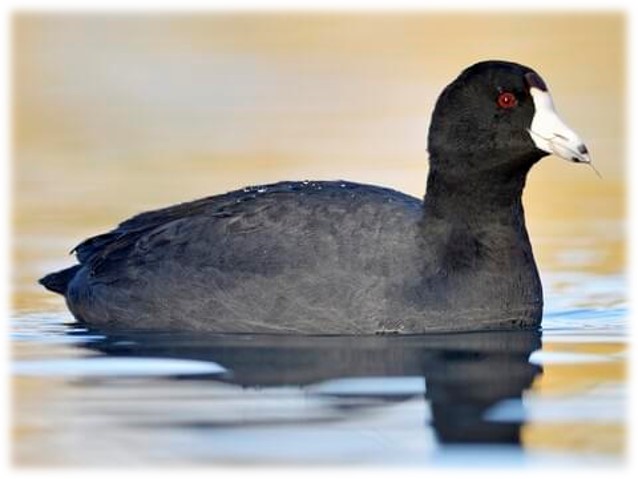
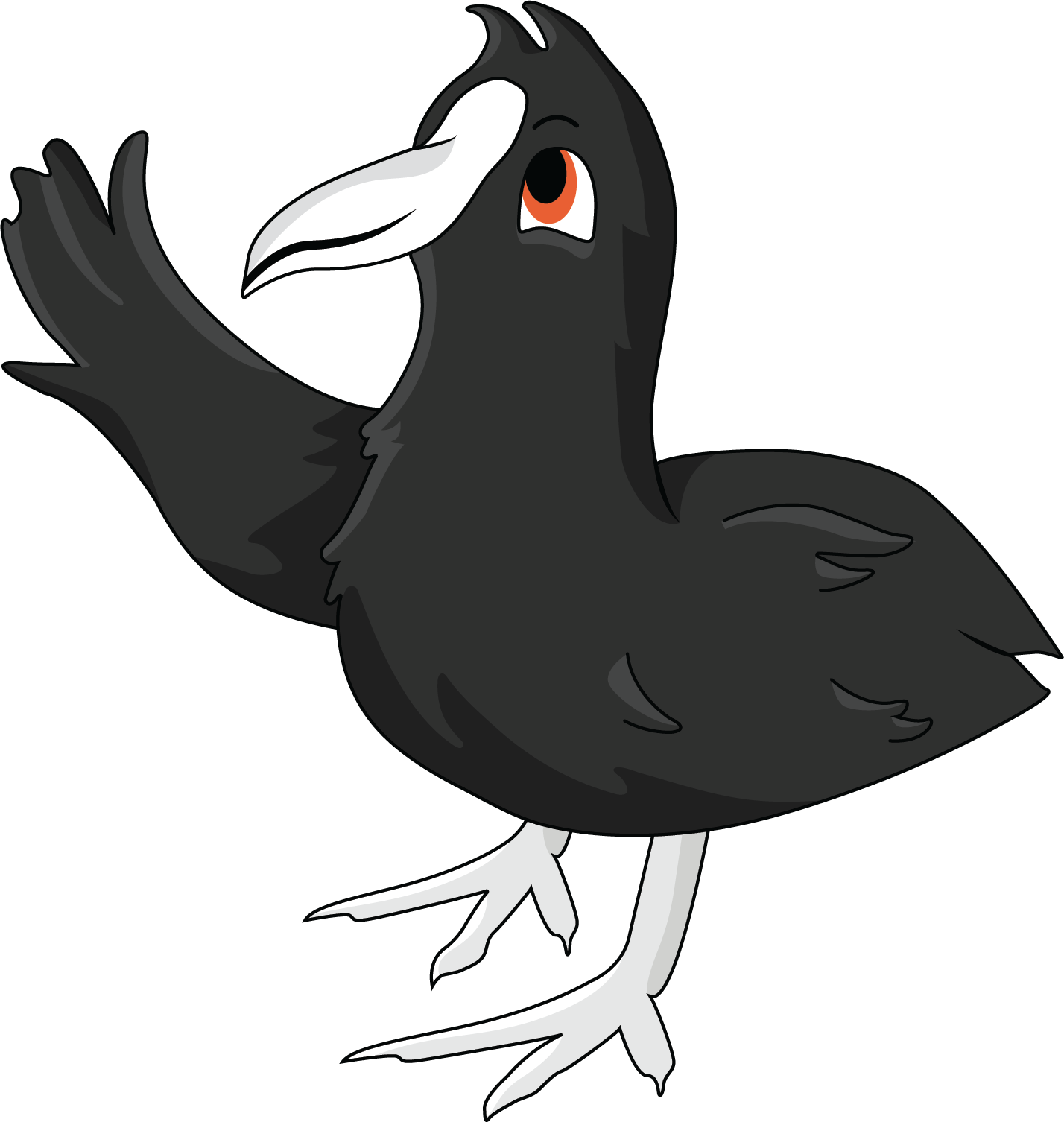
Hey there, I am Connie the Coot!
I’m the mascot of the Blackwater Valley Countryside Trust and your guide for the day!
As we go round, I'll point out some of my friends in the Meadows!
The river attracts lots of my aquatic friends!
The banks provide shelter and there is lots of food to be found.
Swipe right and I'll introduce you, maybe you'll even see them today so keep your eyes peeled!
The river in front of you runs all the way from its source at Rowhill Nature Reserve to Swallowfield near Reading, a distance of 22 miles!
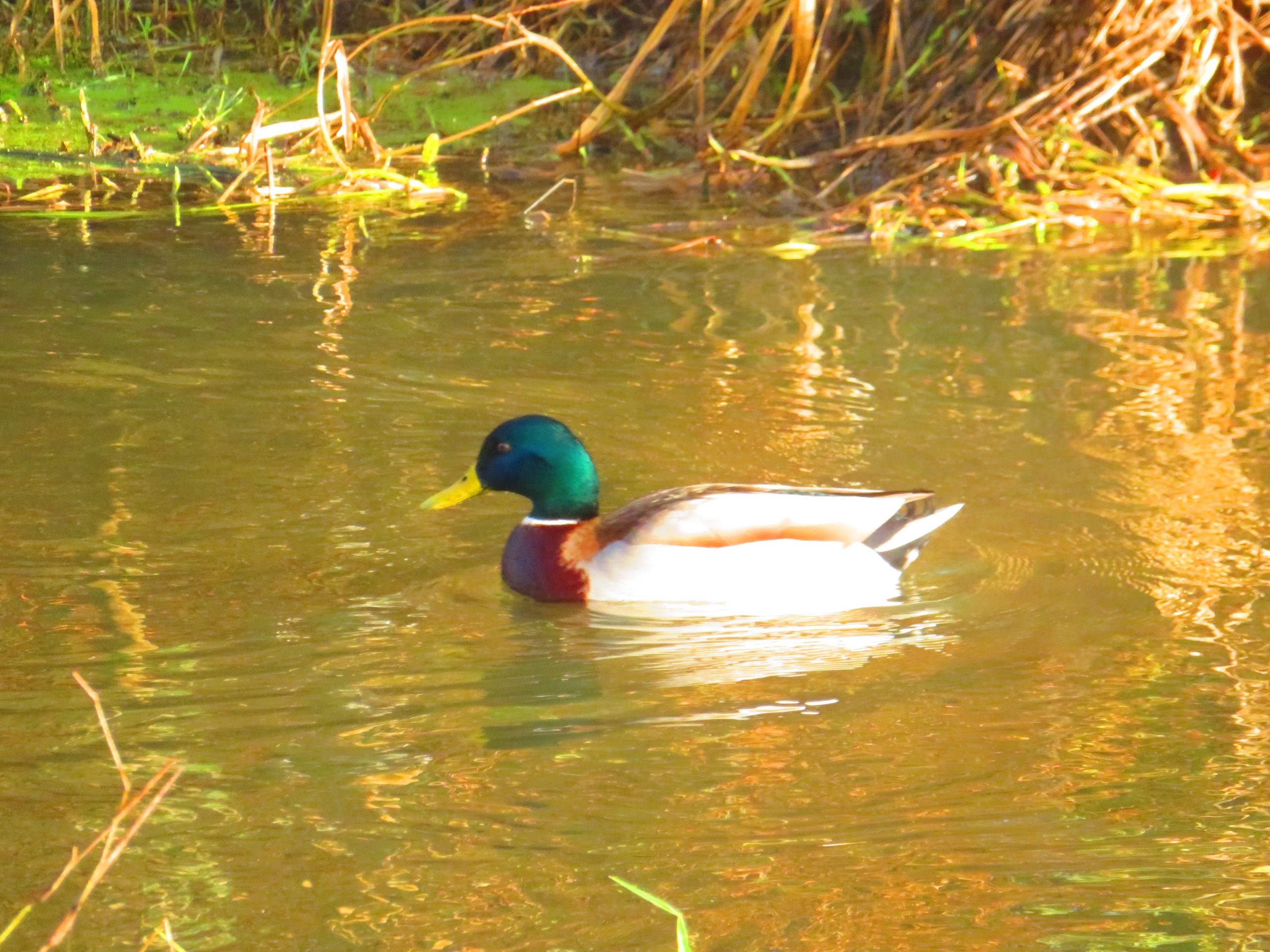
These are Mallards, a type of Wild Duck!
The males have distinctive green heads and there are likely to be plenty of them! The females are brown all over
How many can you count as you explore?

Tap to flip
Swans are not as aggressive as you're led to believe!
They spend their time in family groups so look out for the Cygnets, they'll be brown and fluffy!
The Swan's long neck helps them to feed on pond weed and other plants at the very bottom of the river

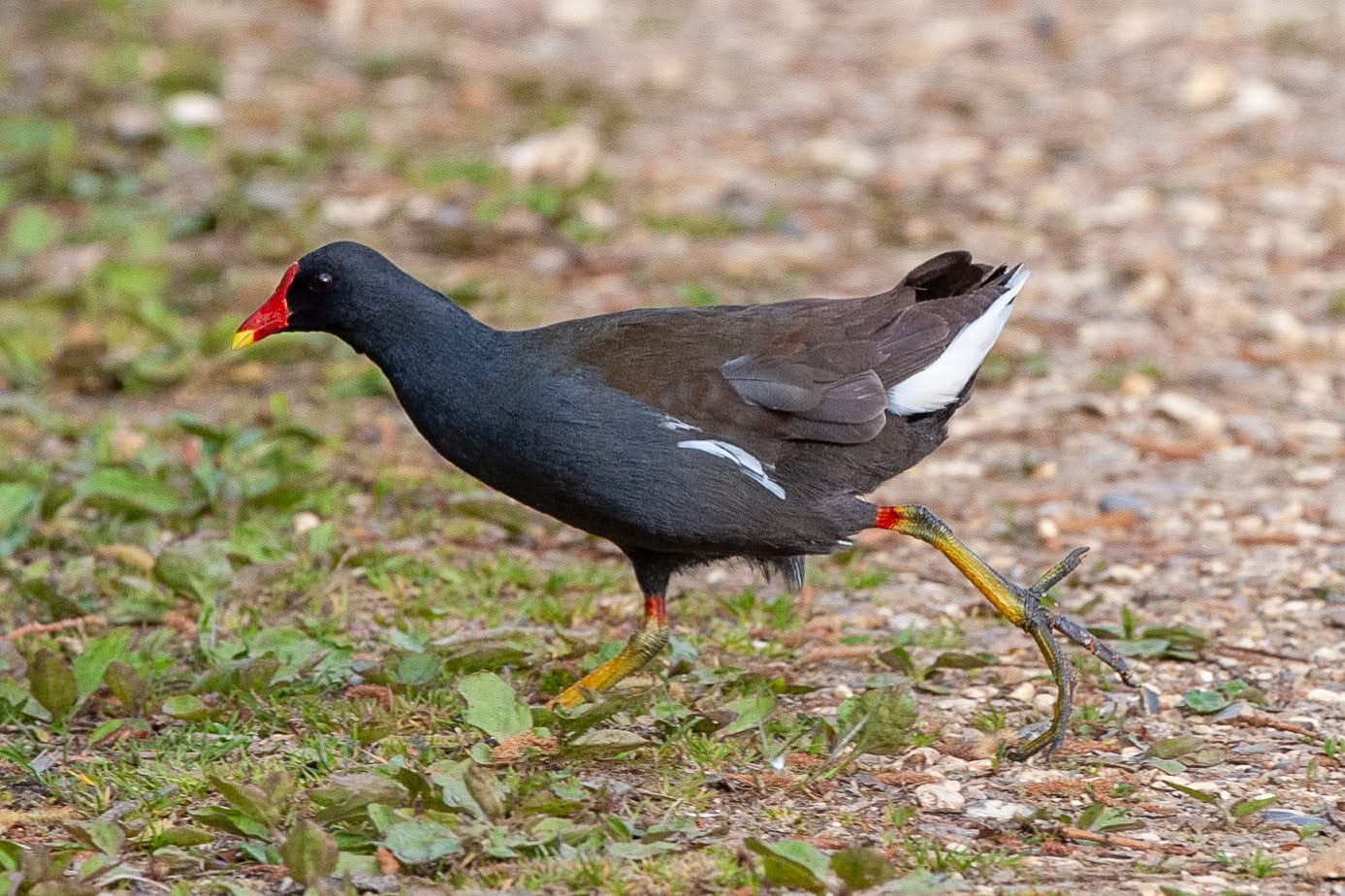
Moorhens, now they're an interesting bird! Look out for their red bill with yellow tip
They're omnivores, like humans, so they'll eat anything from snails and insects to fish and berries!
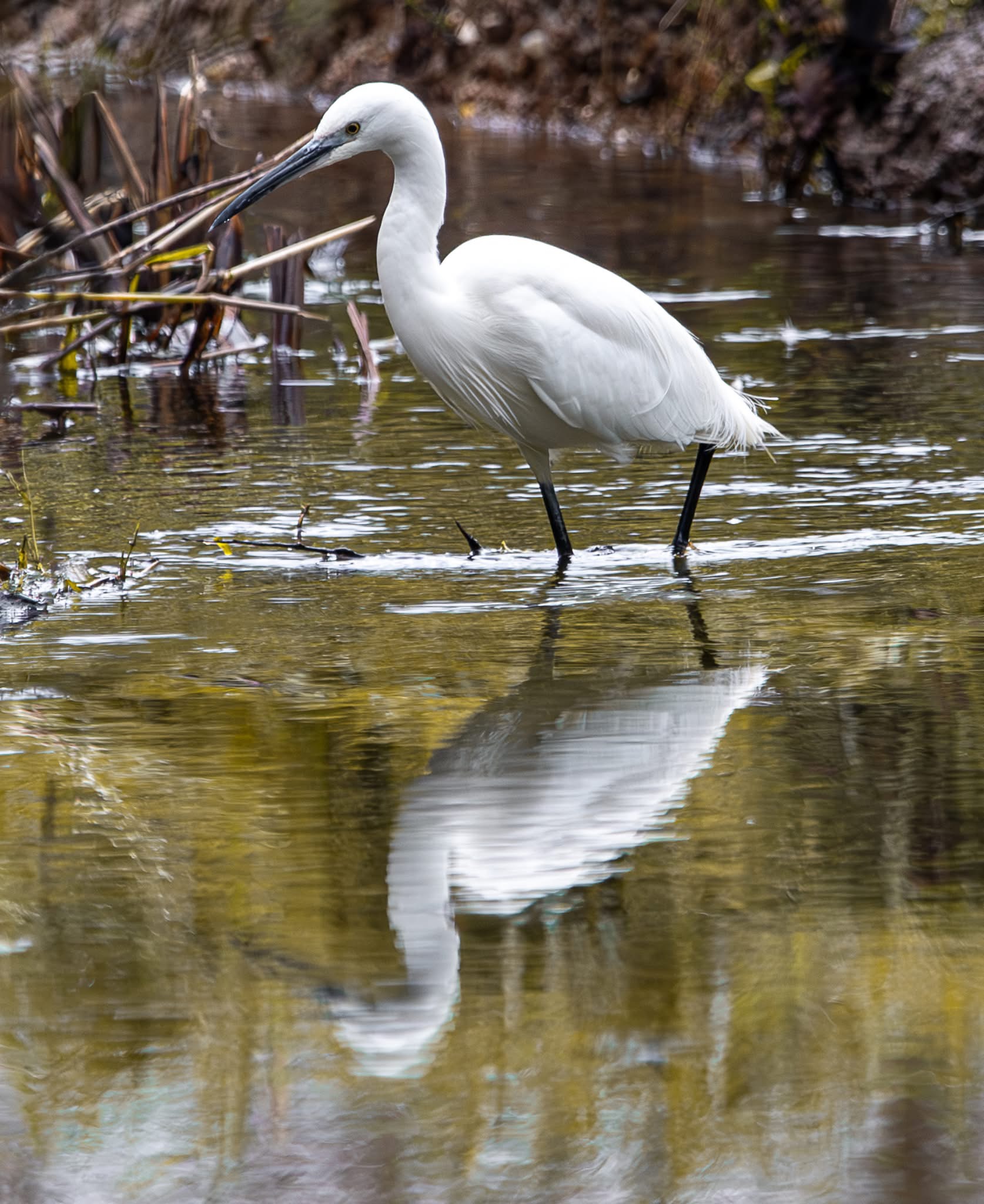
In the Winter and Spring, you might spot a Little Egret, its white feathers shining against the trees
In the 19th Century, the long neck plumes of an Egret were more valuable than Gold!!! Protections had to be put in place to keep them safe!
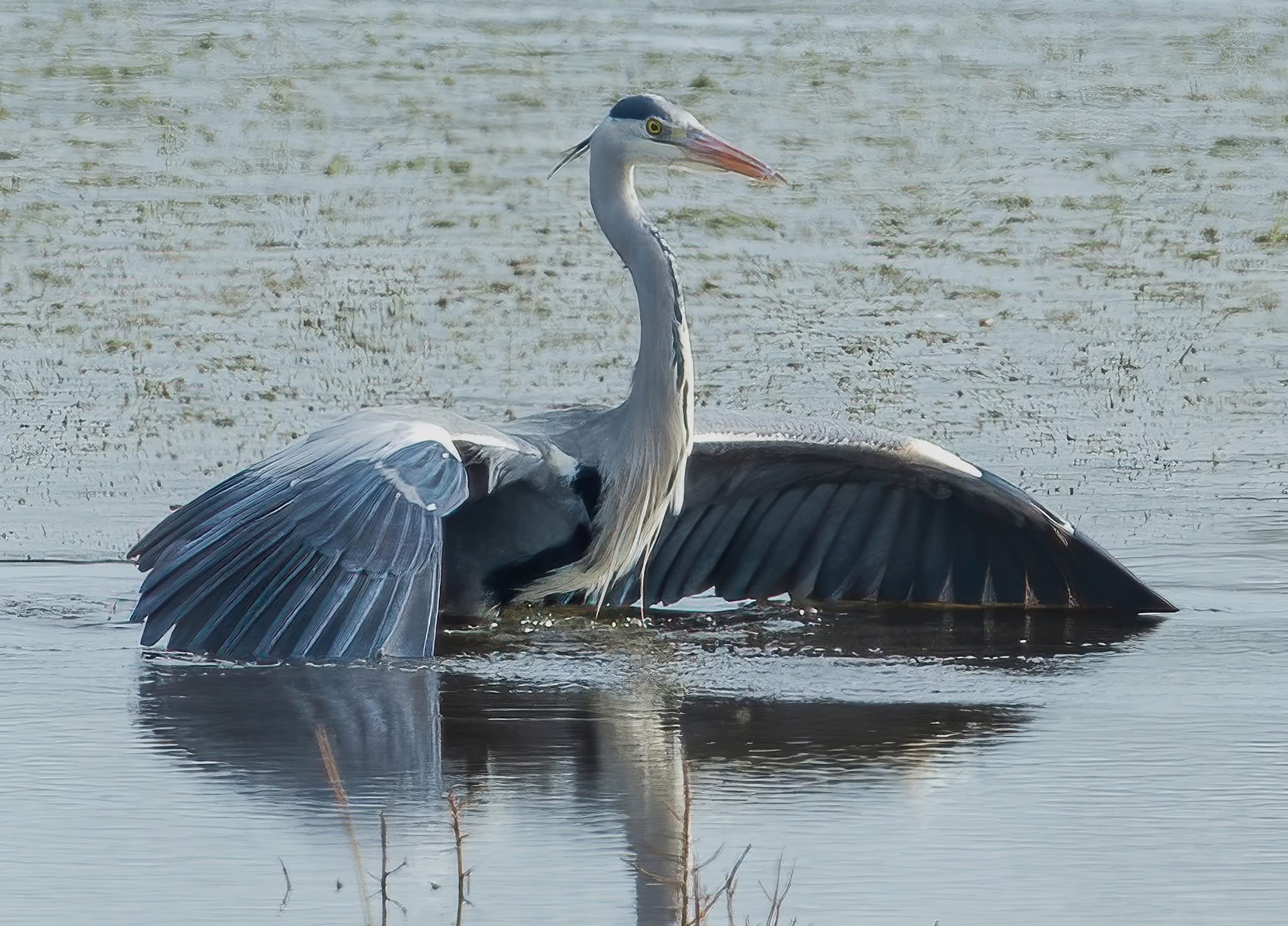
If something is stood really still and looks like a bird, it is probably a Heron!
They're sat waiting for their next meal to swim by, a bit like sitting at the window of a Drive Thru restaurant!

Tap to flip
When you are ready, head away from the car park into the Meadow, looking out for our new aquatic bird friends!
With your back to the bridge, turn right and follow the river until you see these trees
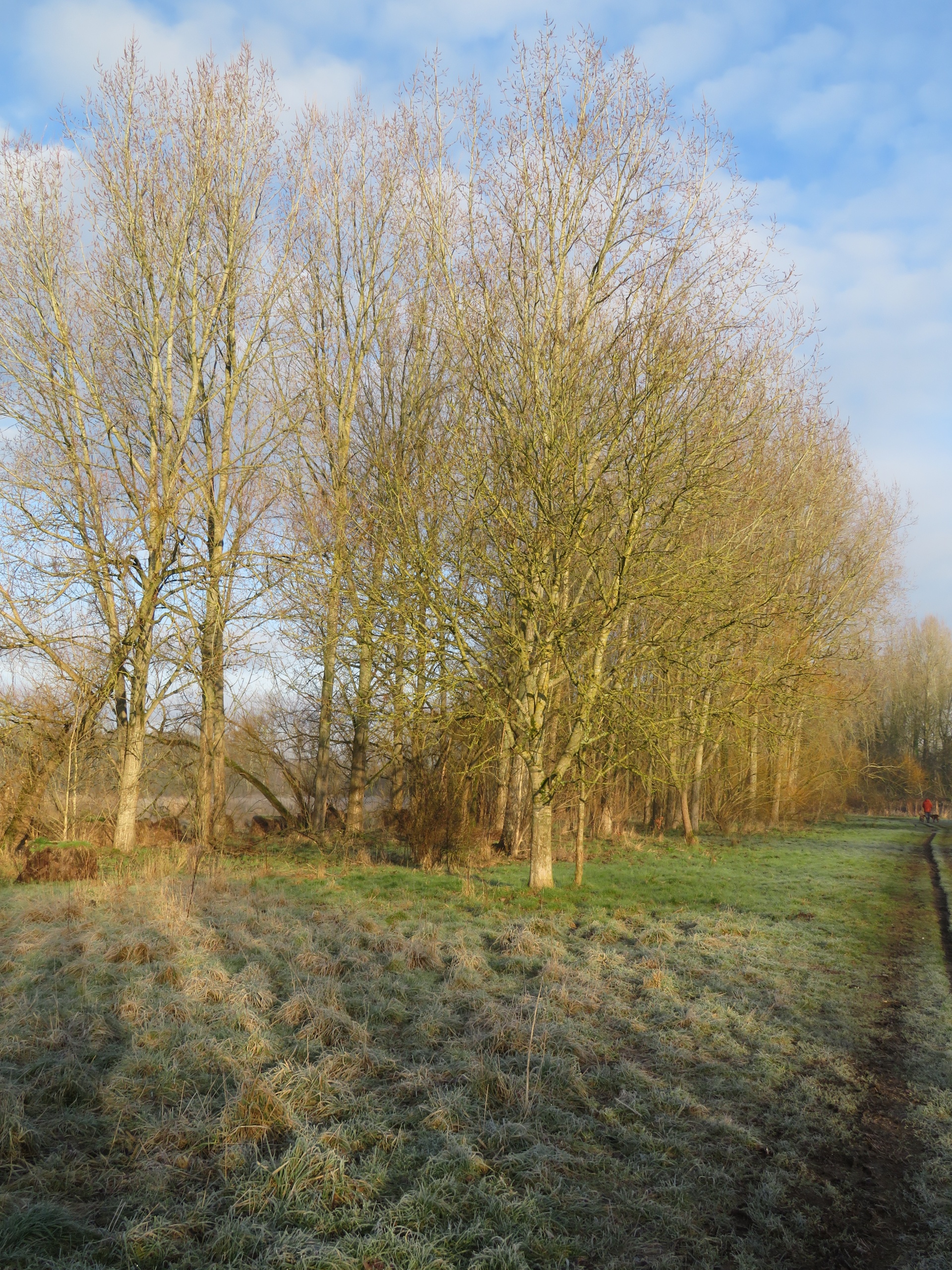
Look up and listen! You might see birds flying above you, using the trees to nest and raise their young.
They each have their own call, or song and I'll help you work out who's here if you swipe on!
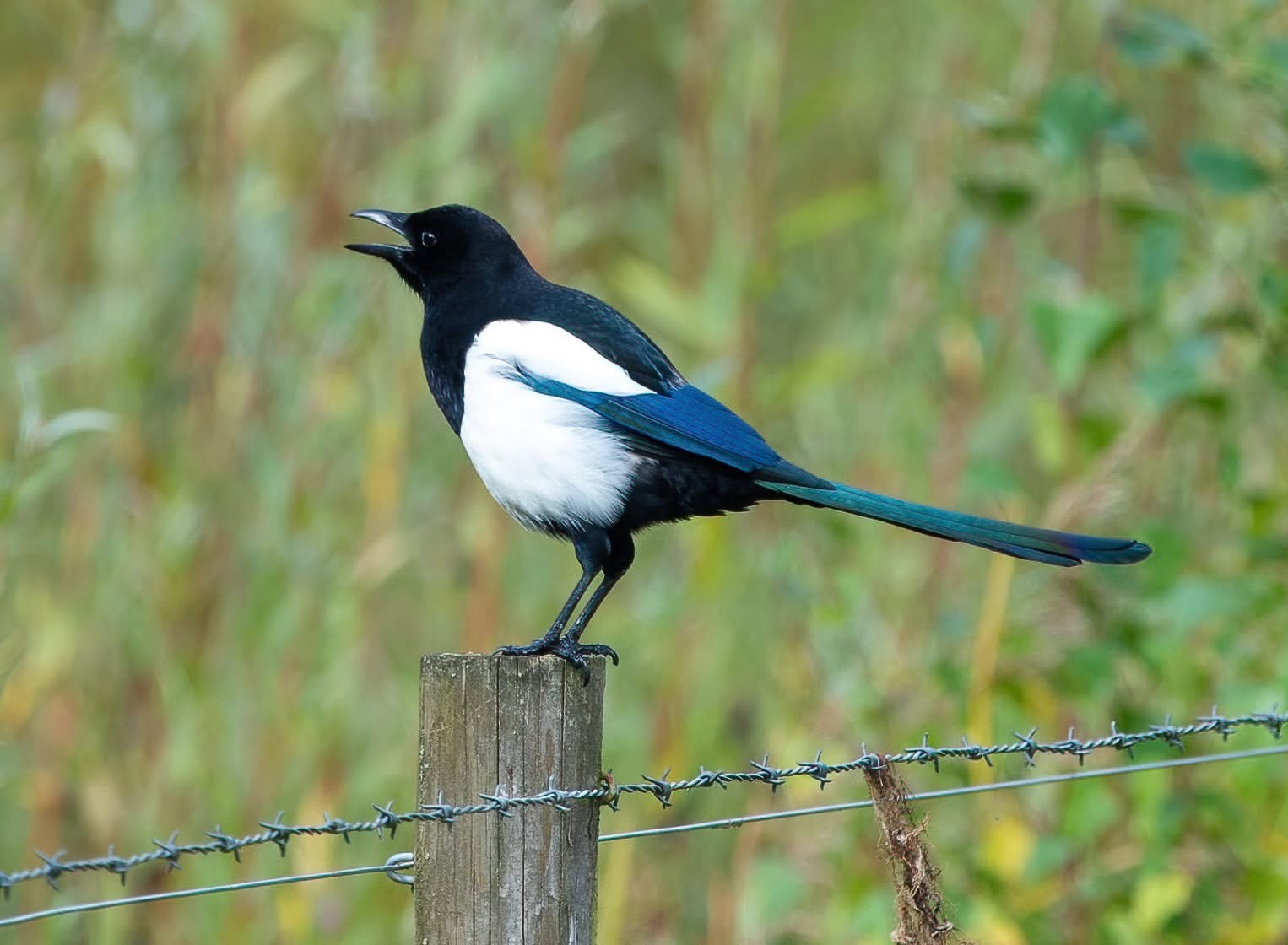
The bird sat on a fence post or at the top of the trees is a Magpie
You'll spot the white belly first, but then look for blue wings and long tail
They are one of the UKs most easy to spot birds!
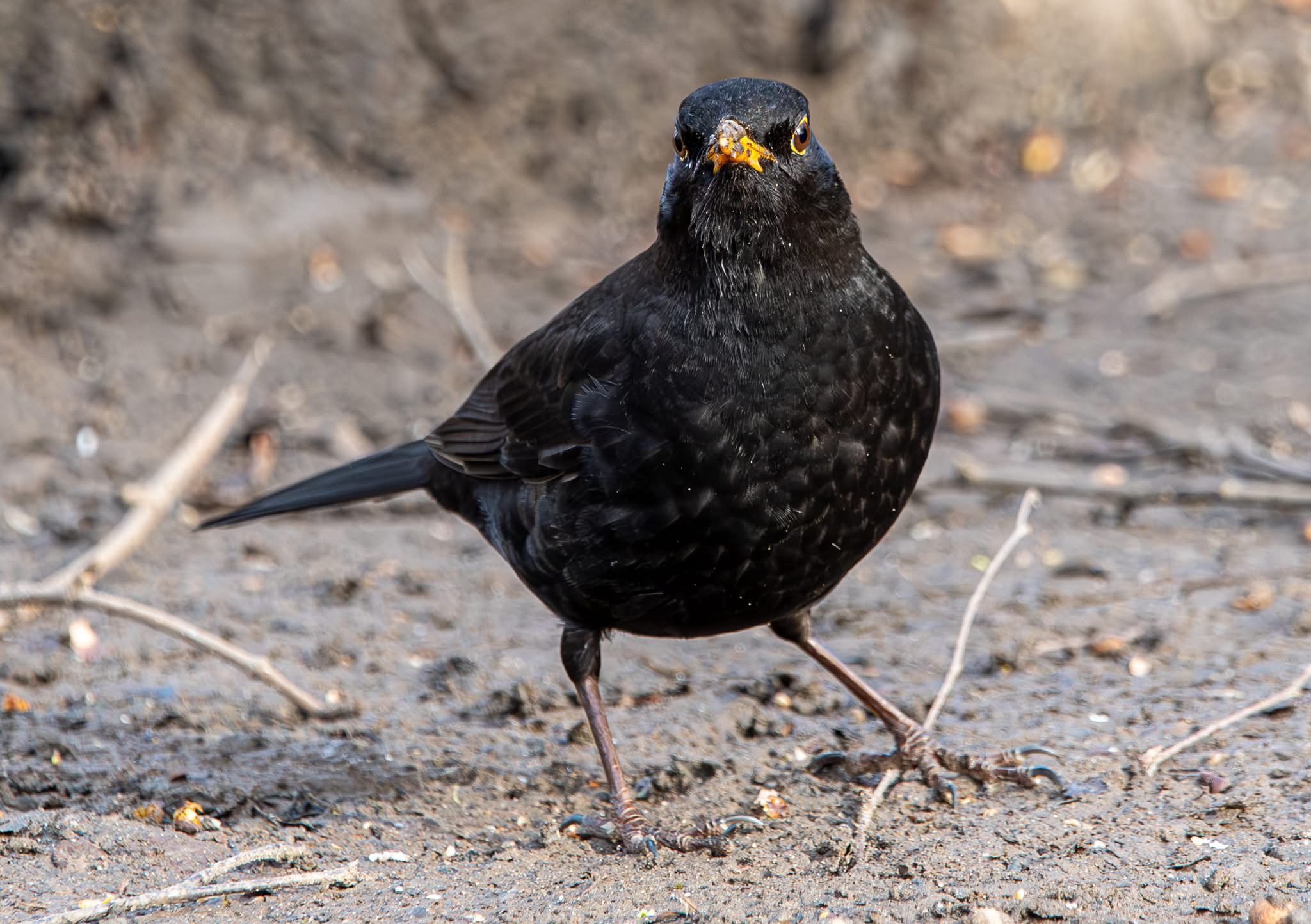
A Blackbird lives up to it's name, well at least the males do!
The females are brown with a brown beak, so keep an eye out for them too!
They are common birds, so listen carefully as there is likely to be one about!
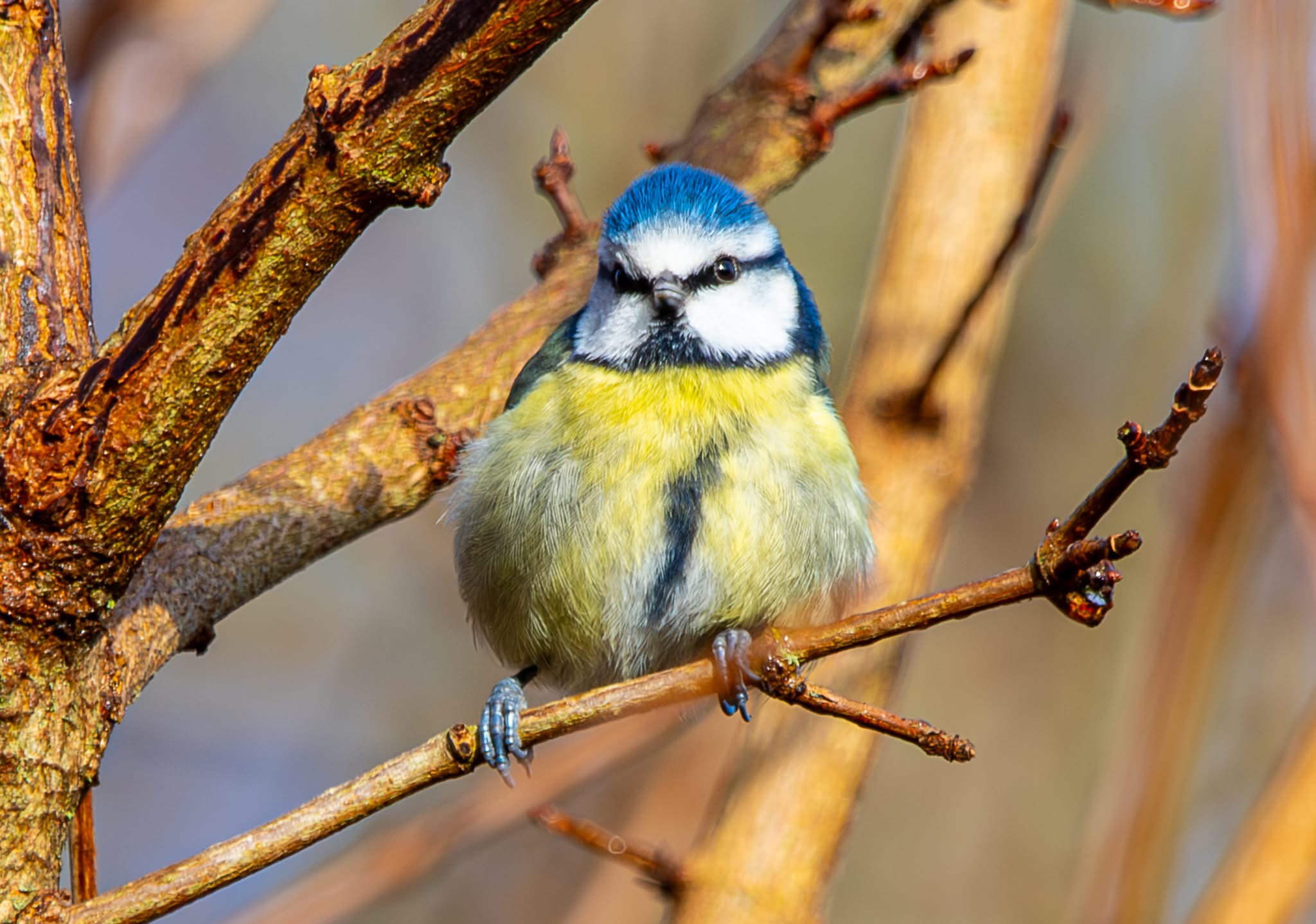
This chunky guy is a Blue Tit
They fly around your garden and local park too and can be spotted by their blue heads and yellow bellies!
In Winter, you'll see them in mixed flocks with other Tits as they hunt for food!
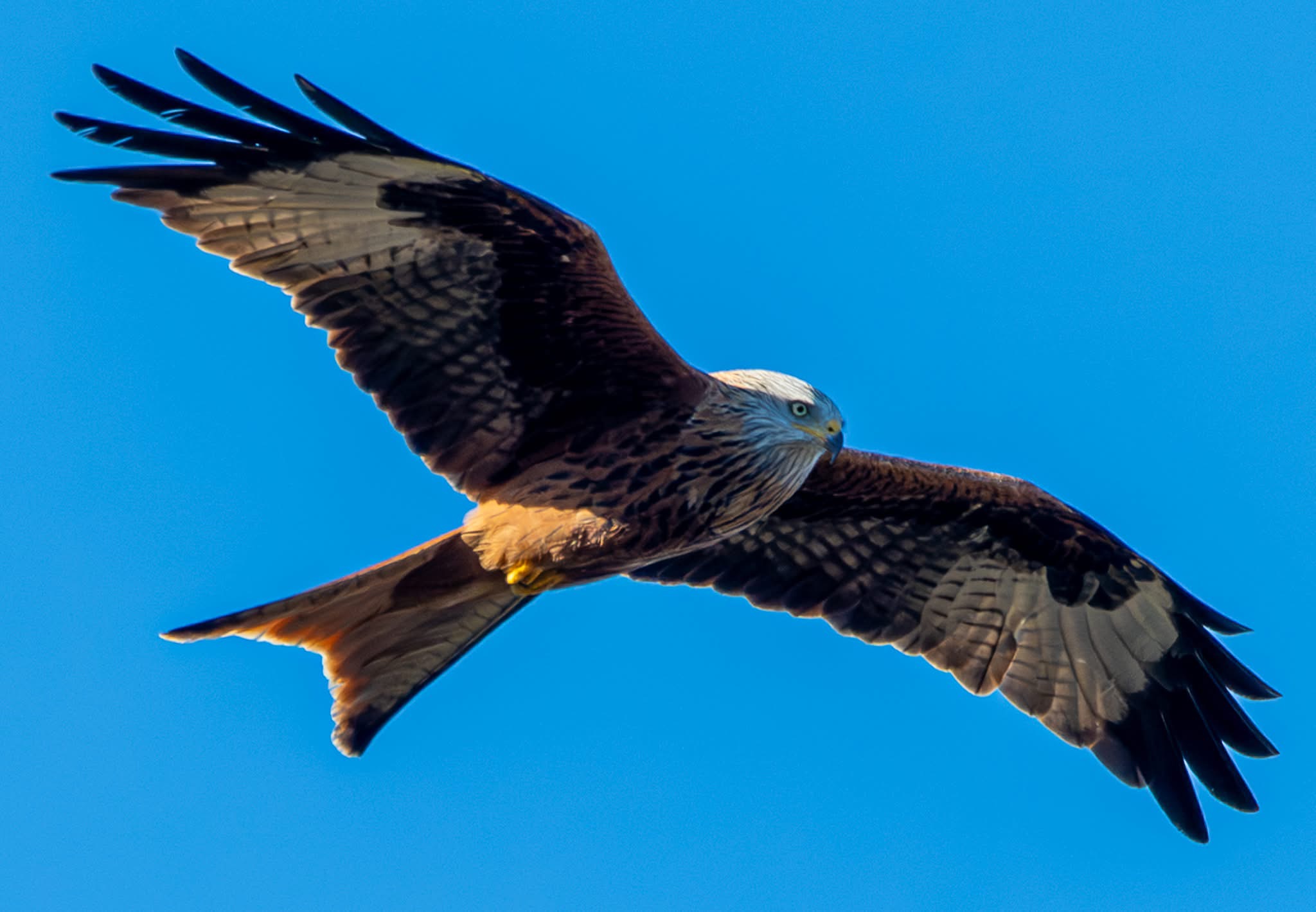
Red Kites are one of the birds of prey who visit the Meadows!
They are known for their distinctive "Kite" shaped tails and red brown bodies and are common across this type of landscape!
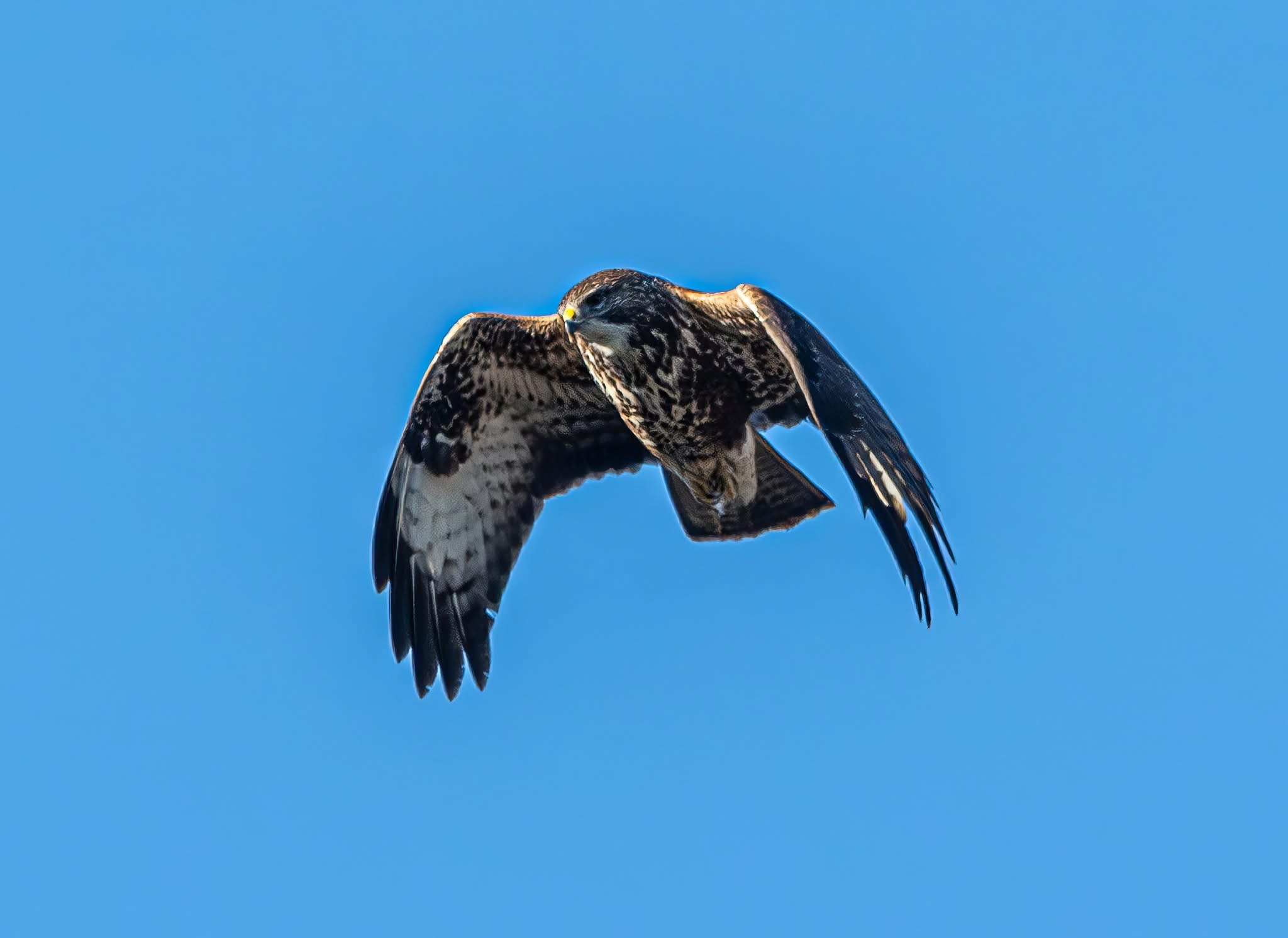
Buzzards are another bird of prey you might spot, they're one of the most common in the UK
Look out for their "V" shaped wing position when soaring high above you which is different to other birds flatter wings
Who did you see or hear?
If you get out of bed early you would be able to hear all of these birds singing together in what is called "The Dawn Chorus". You can recreate this by playing all the clips below at once
Magpie
Blackbird
Blue Tit
Buzzard
Kite
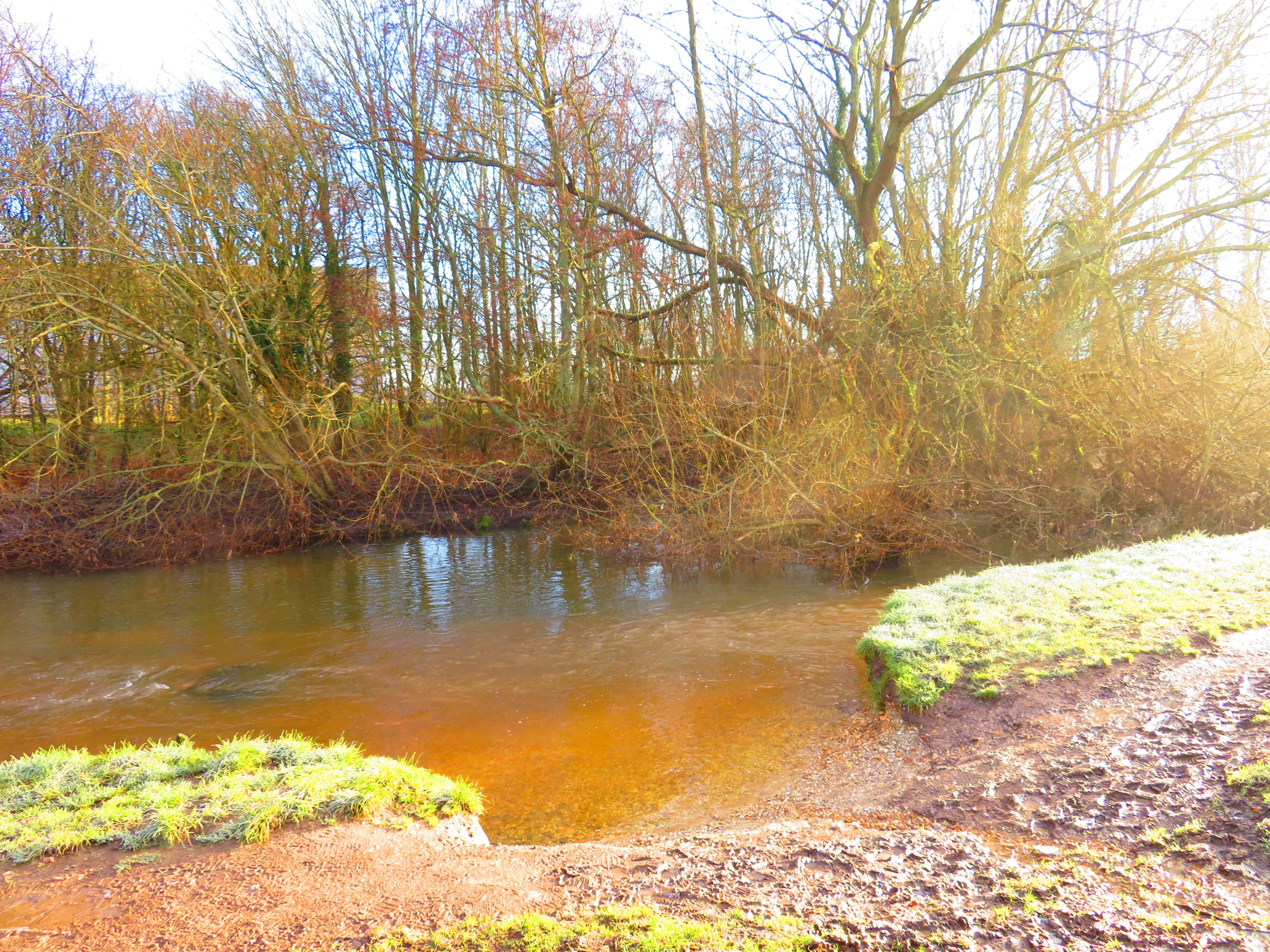
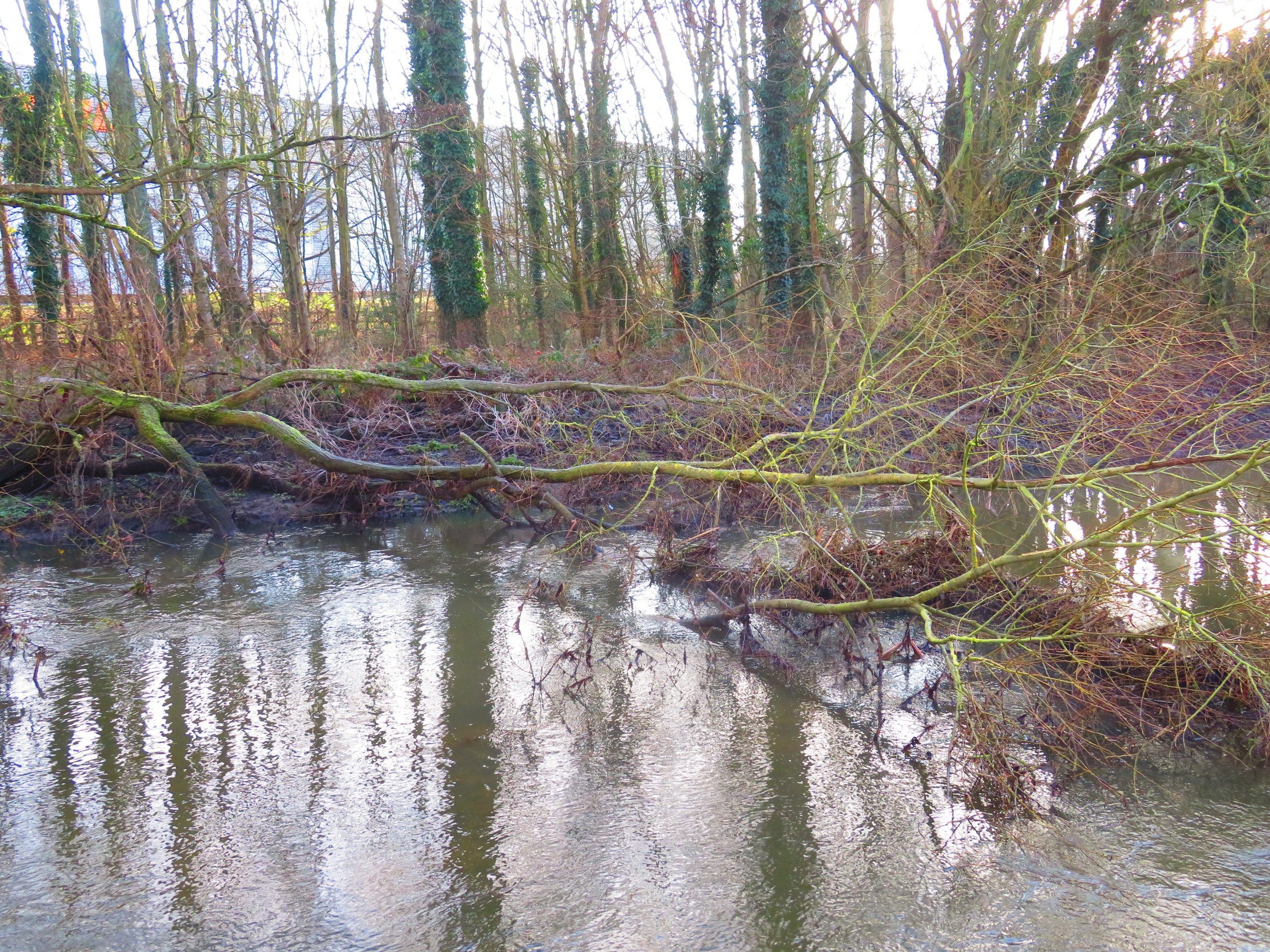
Fallen trees change the flow of the river creating shallow parts and deeper parts
The deeper parts provide a place for fish to live and breed. Can you see any fish in the river today?
These fish provide a source of food for some of the birds we've met already, so leaving these trees helps out the whole of the Meadow!
In the warmer months you might see Dragonflies and Banded Demoiselles along this stretch of the river!


When you are ready, head towards this grand Oak Tree
If it's wet, you might want to follow the path along the river!
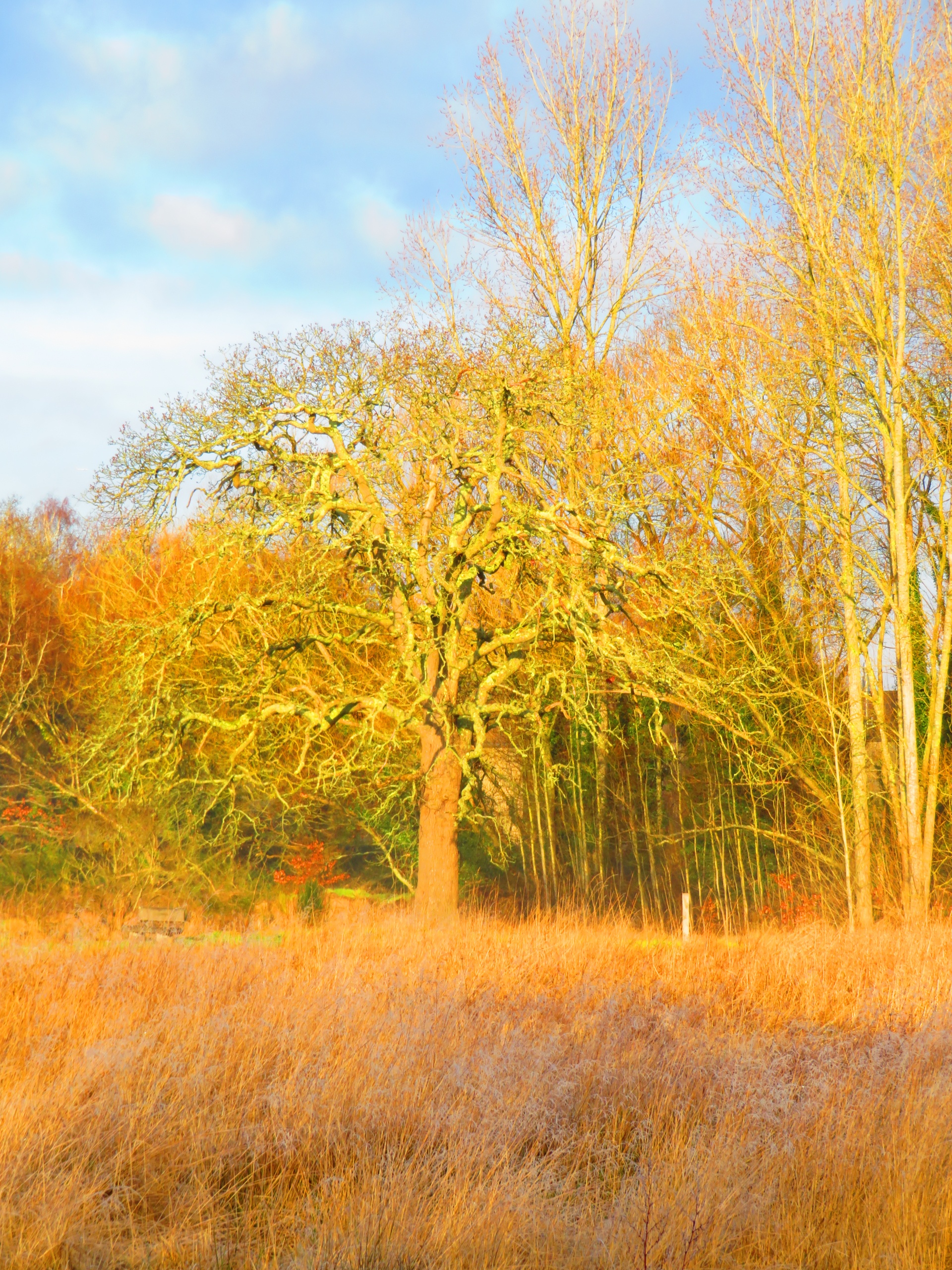
When you reach the gate leading to Blackwater Park, do not go through it, but turn left, head down the path a bit
Stop here and look at the plants covering the ground
How many different types do you think there are?
What shapes are the plants?
- Grasses, with their flat leaves
- Rushes, which have round stems
- Sedges, which have three sided stems if you look really closely!
These plants might not seem exciting but they provide a home to thousands of pollinators, such as Bees!
Even a small patch like this in your garden or local park can help to protect these vital insects!
As you search, you should see three distinct types of plants
If you are visiting in the warmer months, this part of the meadow will be full of colour with the wildflowers in bloom!
If you swipe on, I'll introduce you to some of the insects that feed on the nectar these flowers provide
But if you've come in another season, you might just see the grasses so click below and see what you can find next!
These are Marbled White butterflies but look carefully because they only have a 5cm wingspan!
You'll find them interested in the purple plants dotted across the Meadow, such as the Knapweed and Tufted Vetch

Can you spot these Meadow Brown butterflies?
They also love the purple flowers and will be out in abundance during the Summer months!
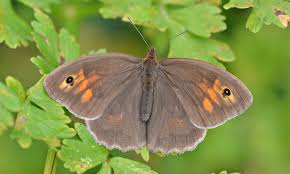
You'll see the Gatekeeper butterfly towards the edge of the meadow, feeding on the bramble and other hedgerow wildflowers
Can you tell the difference between a Gatekeeper and a Meadow Brown?

Peacock butterflies have a very jazzy pattern, which helps to confuse any predators, or those that want to eat them...
They make a "hissing" noise when threatened by rubbing their wings together!

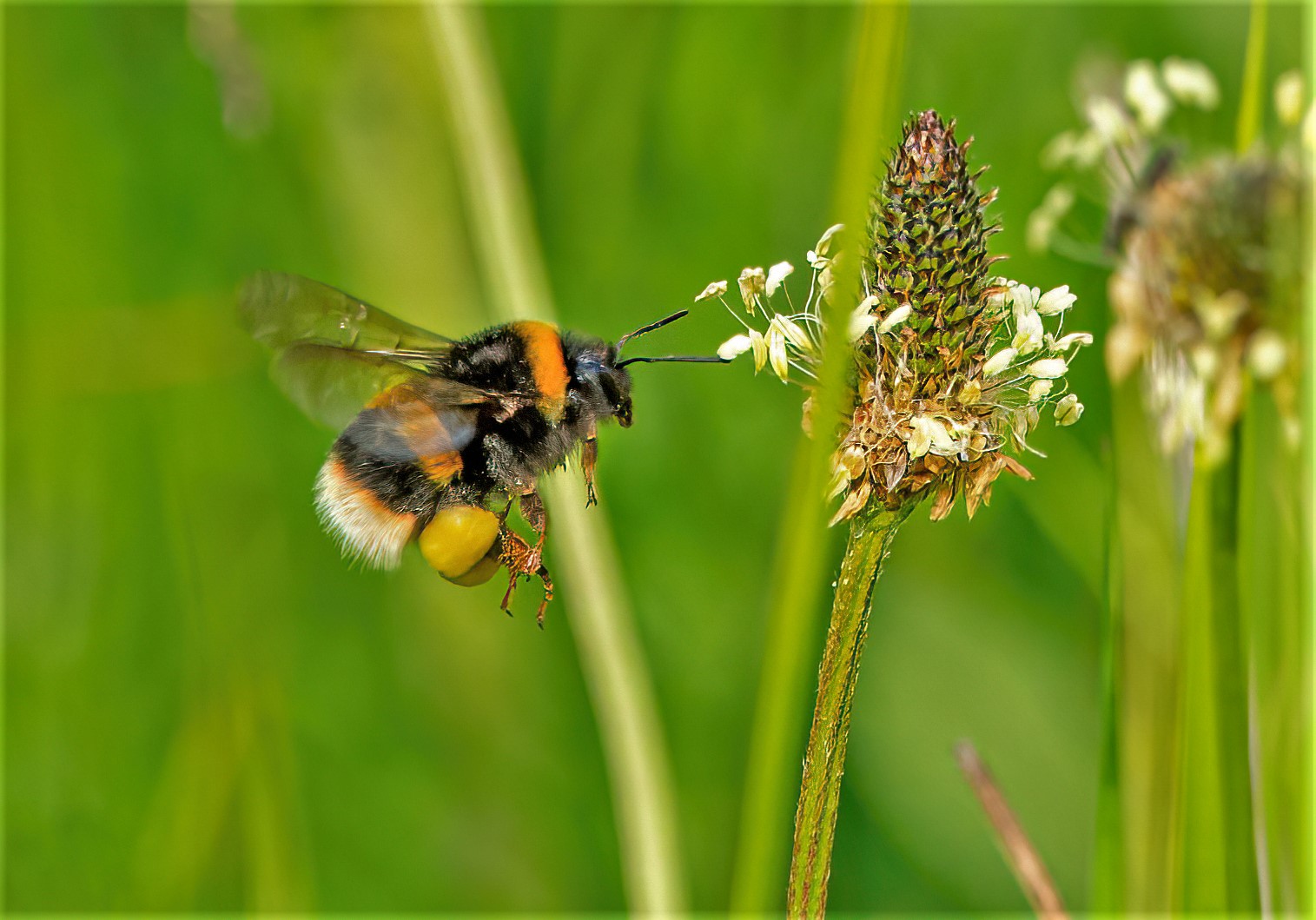
There are over 20 thousand species of Bee in the world!! Bees are one of our most important insects as they pollinate the plants we eat and many of the wildflowers you'll see here
Planting just a small strip of wildflowers in your garden will help many Bees to survive who then help us thrive!
Can you see any whizzing about?
Now we need your ears! Bush Crickets will be very audible on warm Summer days
If you are exploring at the right time of year, listen out for their high pitched buzz all across the Meadows

While we have your attention, we have to thank those that contributed to our Hunt today
The Drone footage at the start of our trail was filmed and produced by Rob Follett Creative
Much of the photography was taken by Colin Varndell
Wildlife knowledge was provided by Steve Bailey and Bernard Baverstock
Explorers, we're about half way through our hunt. I've got two more sets of friends to introduce you to!

Keep walking along the path, searching for whatever the thing below is...
This a "Dead hedge"
It is created from various dead bits of tree that are left behind from our maintenance work
It provides an excellent habitat for insects and birds so lets meet some more!

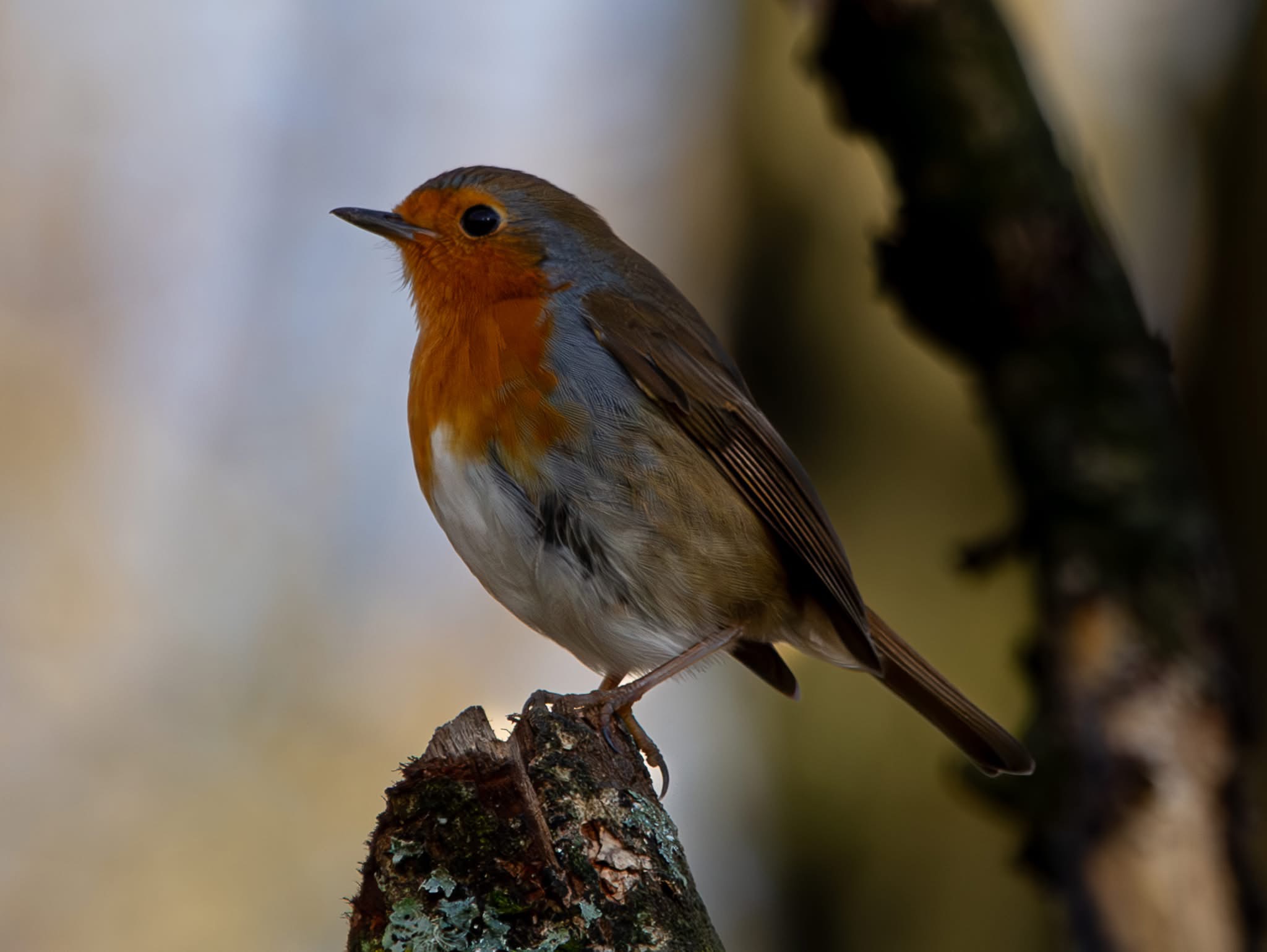
There is probably a Robin watching you...
It is really easy to spot their red breasts and one will probably be following you about to see if you turf up any worms with your feet!
Listen to their song and see if you can hear them too!
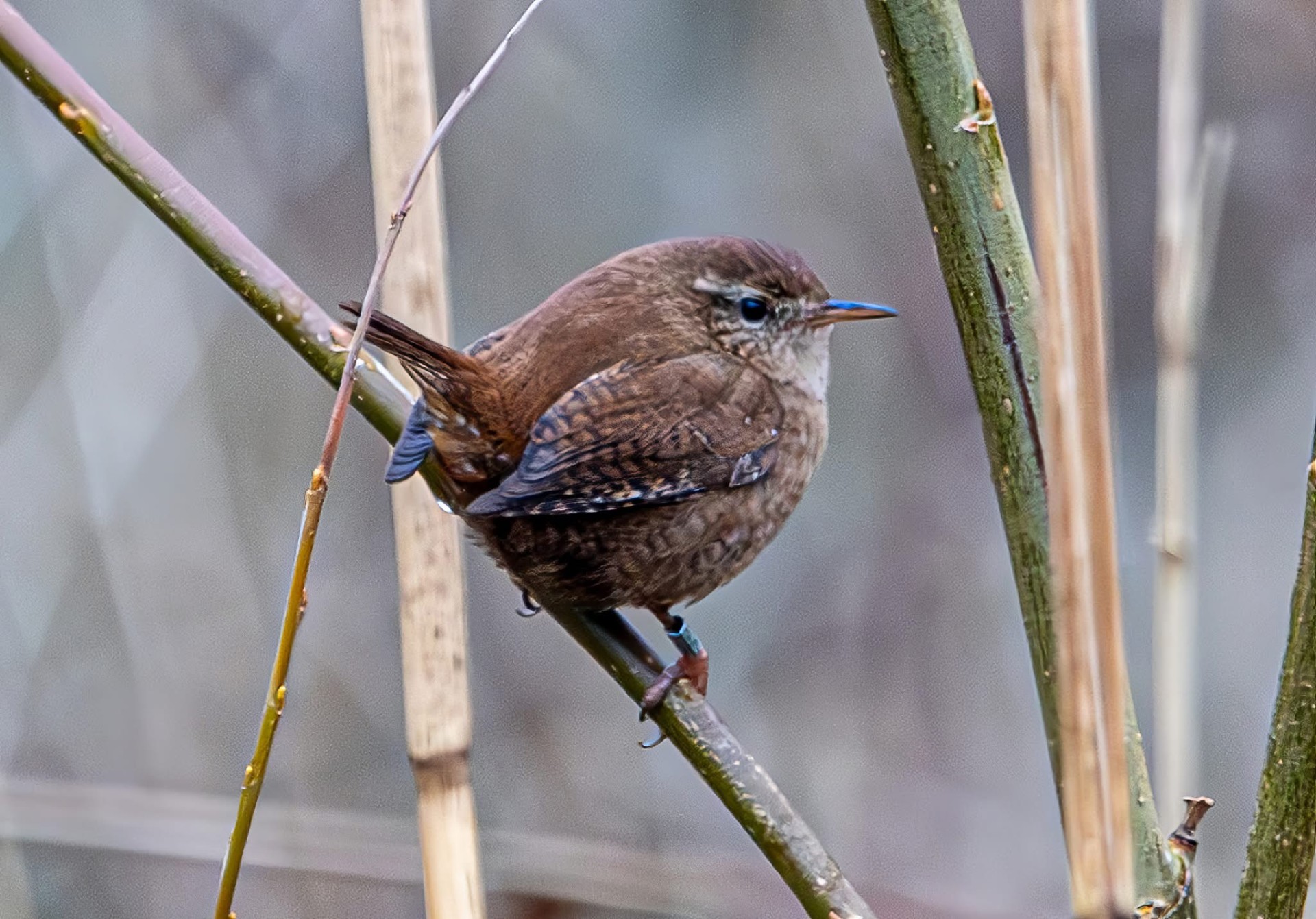
This bird might be hard to spot because it is so tiny! But Wrens are VERY loud!
They are round in shape and like to hide so listen to their song and follow your ears!
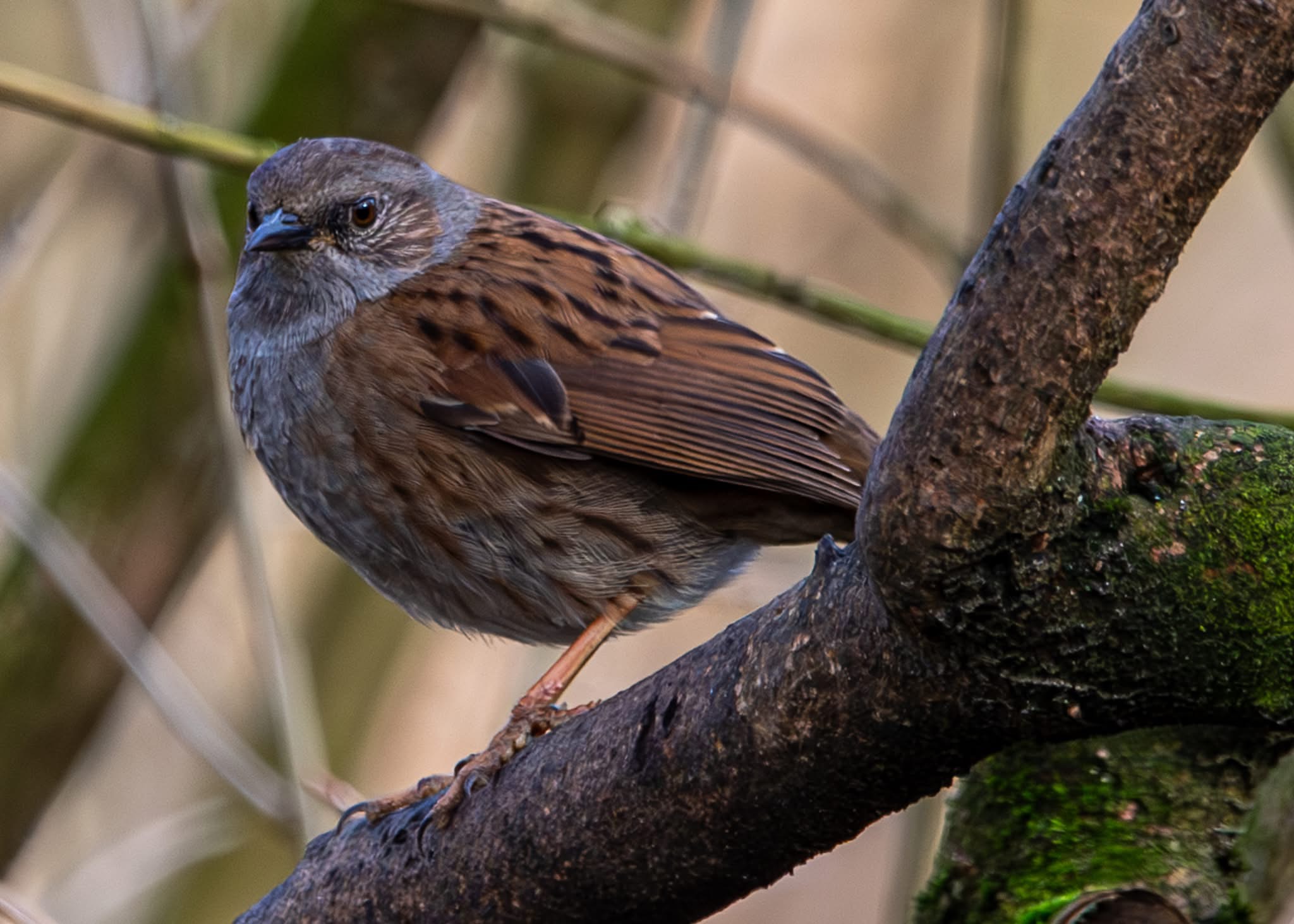
You'll have to be very quiet to see the Dunnock in the hedge row
These shy birds are often seen on their own, shuffling along nervously and flicking their wings
Their call sounds a bit like your teacher writing on the whiteboard with a squeaky pen!
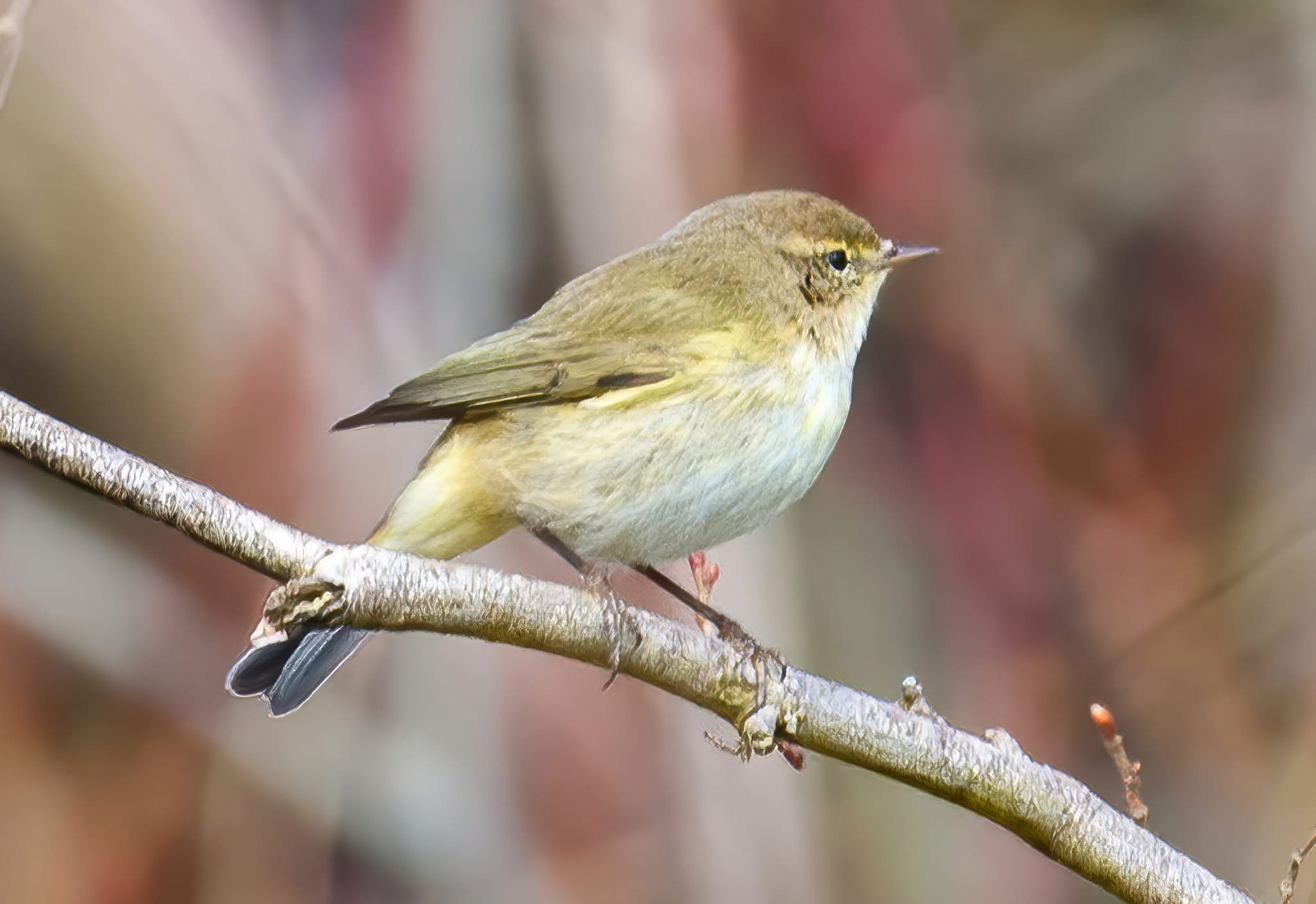
This is a ChiffChaff
If there is one about, you'll hear them calling their own name!
Listen below and then turn your ears to the Meadow!
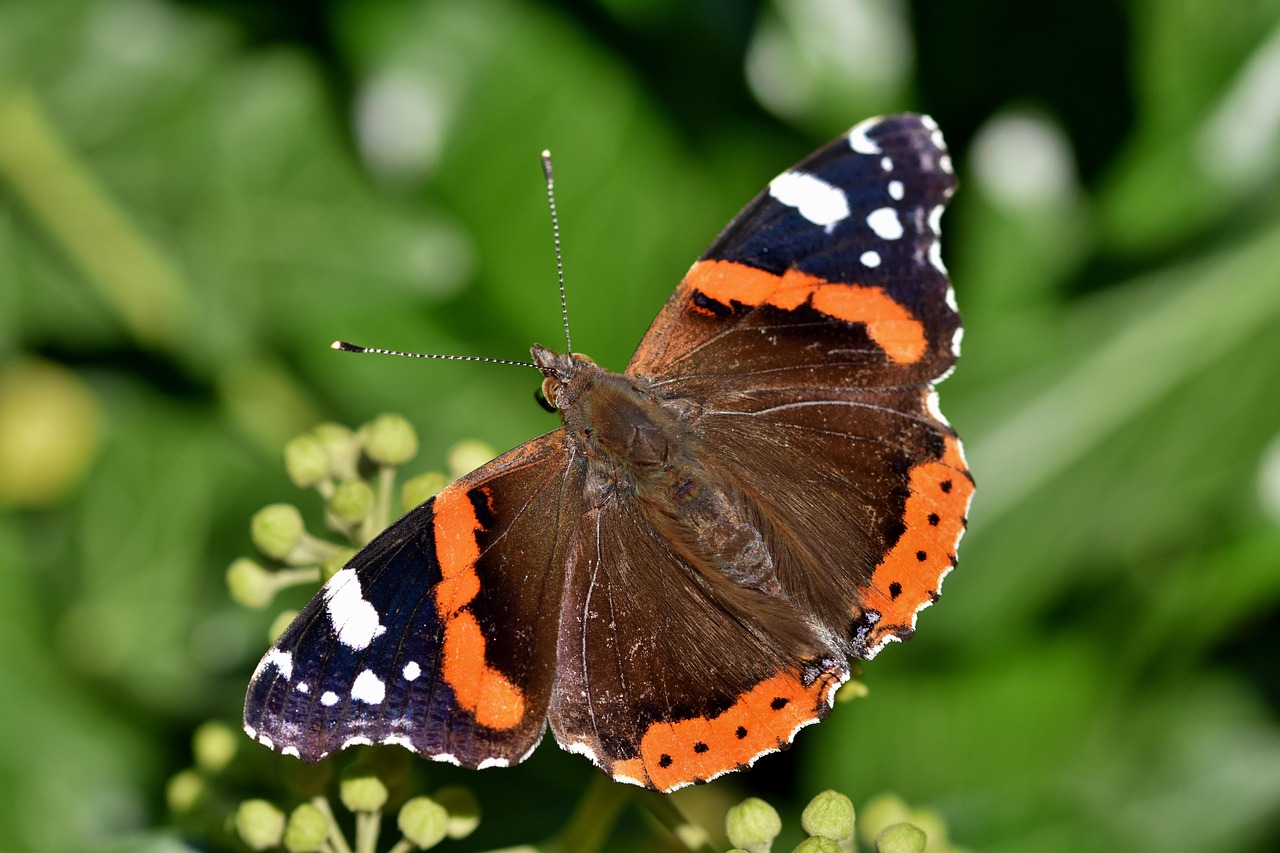
You'll spot flashes of the Red Admiral before you get a chance to look closely!
The Brambles along this part of the Meadow attract these colourful insects during the Summer
Roe Deer also like to nibble on the leaves and shoots of trees along this part of the meadow
It is the largest mammal you might see but they are shy creatures so you'll have to move quietly and slowly to spot one!

Now you've met all my bird friends, here are all their sounds together. You can hear just how much is going on in the meadows!
Magpie
Blackbird
Blue Tit
Buzzard
Kite
Robin
Chiffchaff
Wren
Dunnock
Keep following the hedgerow, past the row of trees on your left
Stop and listen. What can you hear?
Hawley Meadows sits between housing, roads and industrial buildings, providing a constant backdrop of noise.
But open spaces like these continue to provide a safe haven for our wildlife so its important that people like you protect them for years to come!
Wowee, this next bit looks a bit prickly!
This is "Thistle Close" and while it is not for me, the Thistles and Spikey Gorse here provide a home to several species of Spiders!
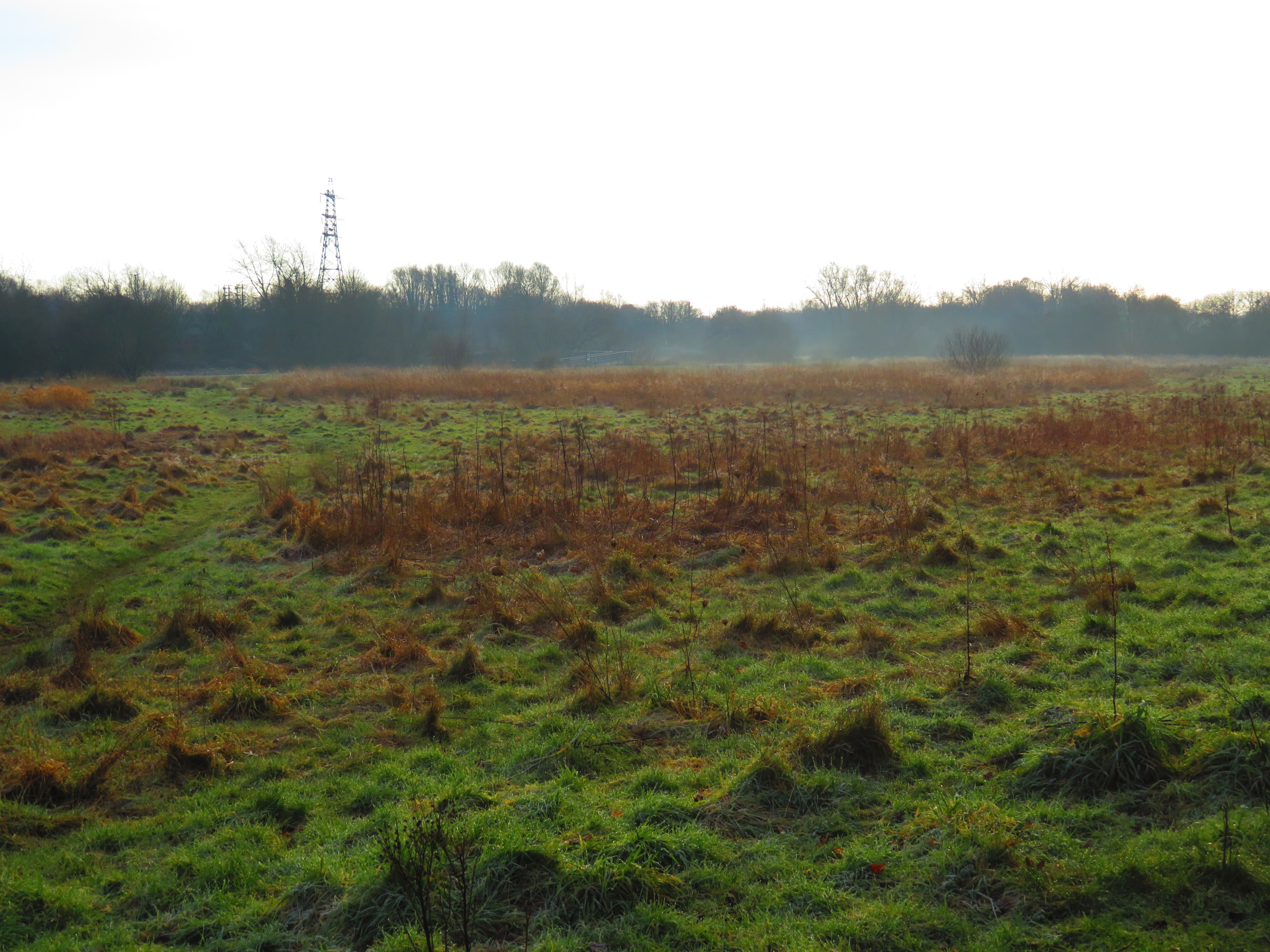
I will save you from the Spiders, but the rough grasses of this part of the meadow and beyond are a place where mammals large and small like to explore too!
These mammals are part of an eco system which I'll show you now!
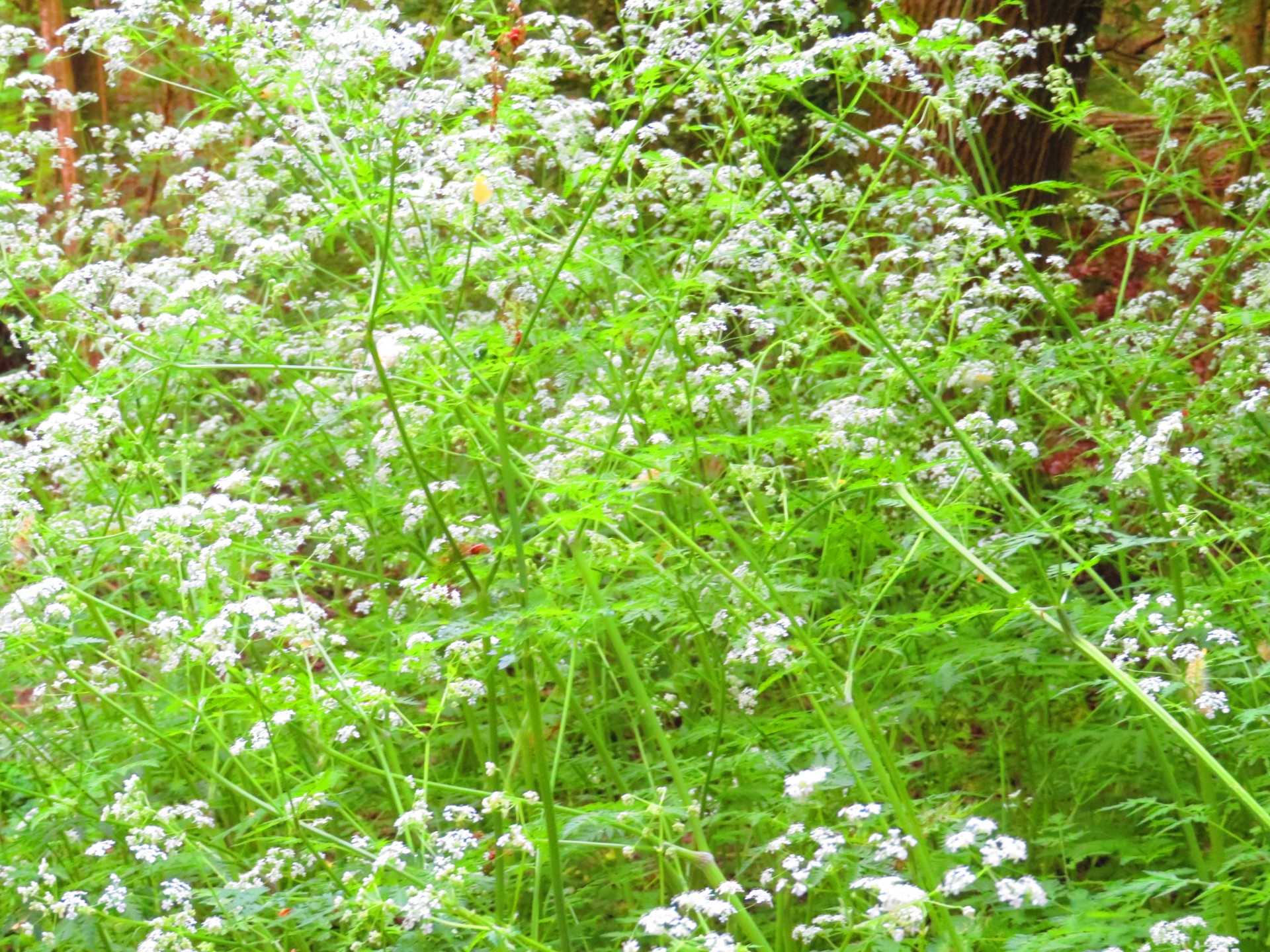
The meadows are home to lots of types of plants called Umbellifers. Say it with me, UM - BELLY - FUR
They are mostly aromatic plants, or in other words, they smell!
They provide a home and food for various insect but keep your distance, they can irritate human skin!
There are about 40 species of soldier beetle in the UK, each with various colour combinations of black, red and orange
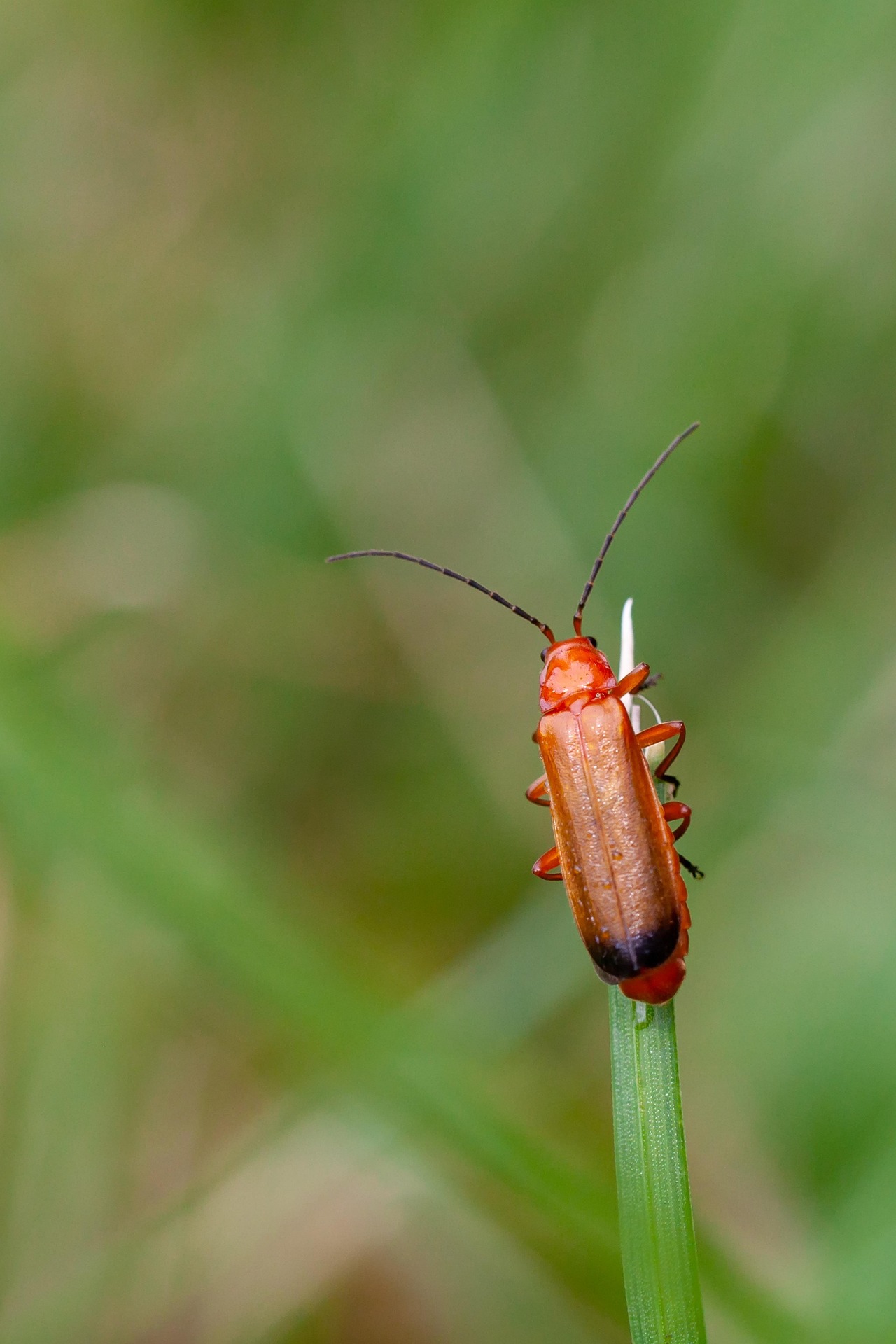
This is a Soldier Beetle, you might see him amongst the UM BELLY FURS if you look carefully, without touching
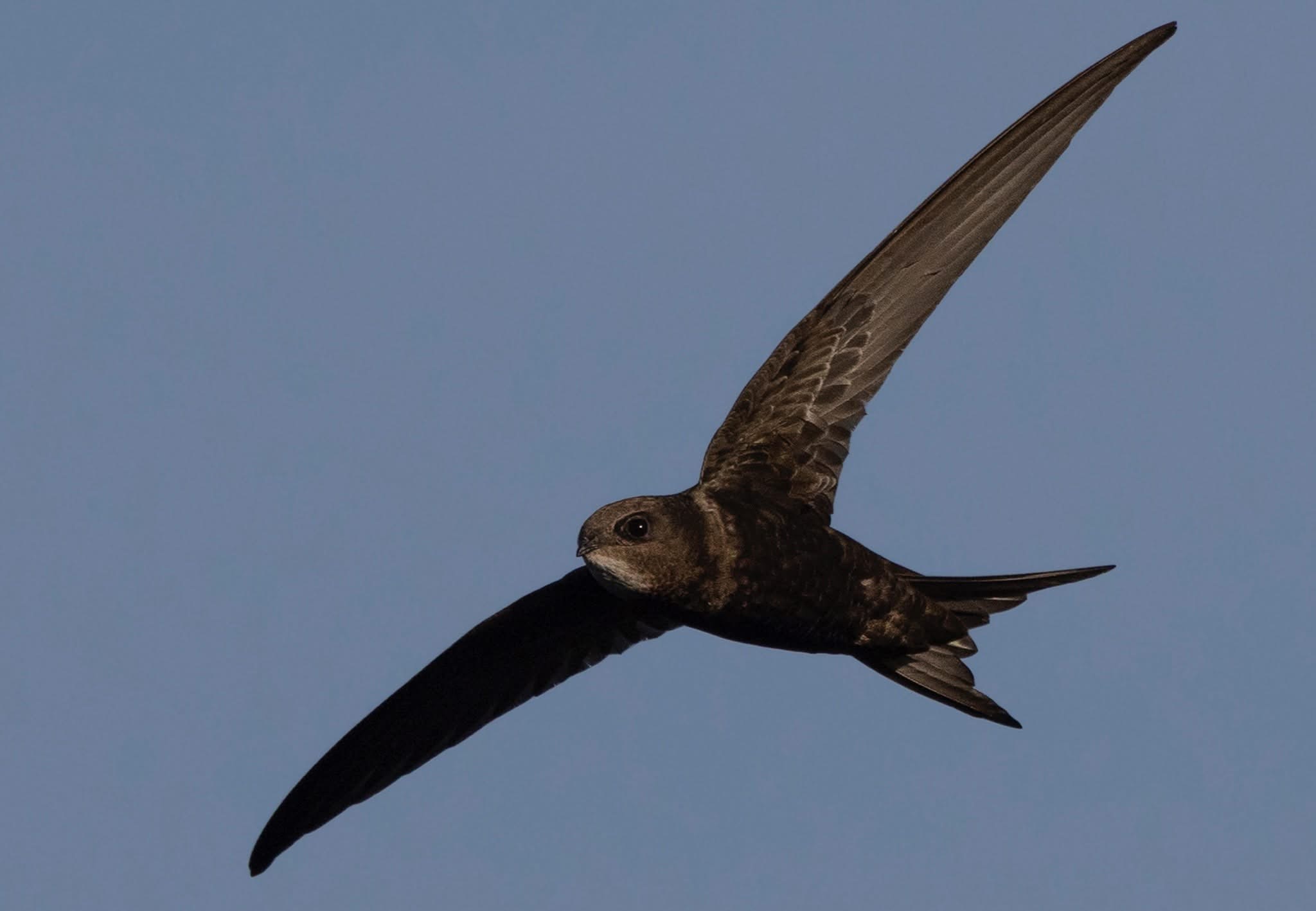
Swifts live up to their name, flying up to 69mph!
They eat the insects hovering above the grasses so it pays to stay hidden!
Each year, these birds fly thousands of miles from Africa to nest and raise their young!
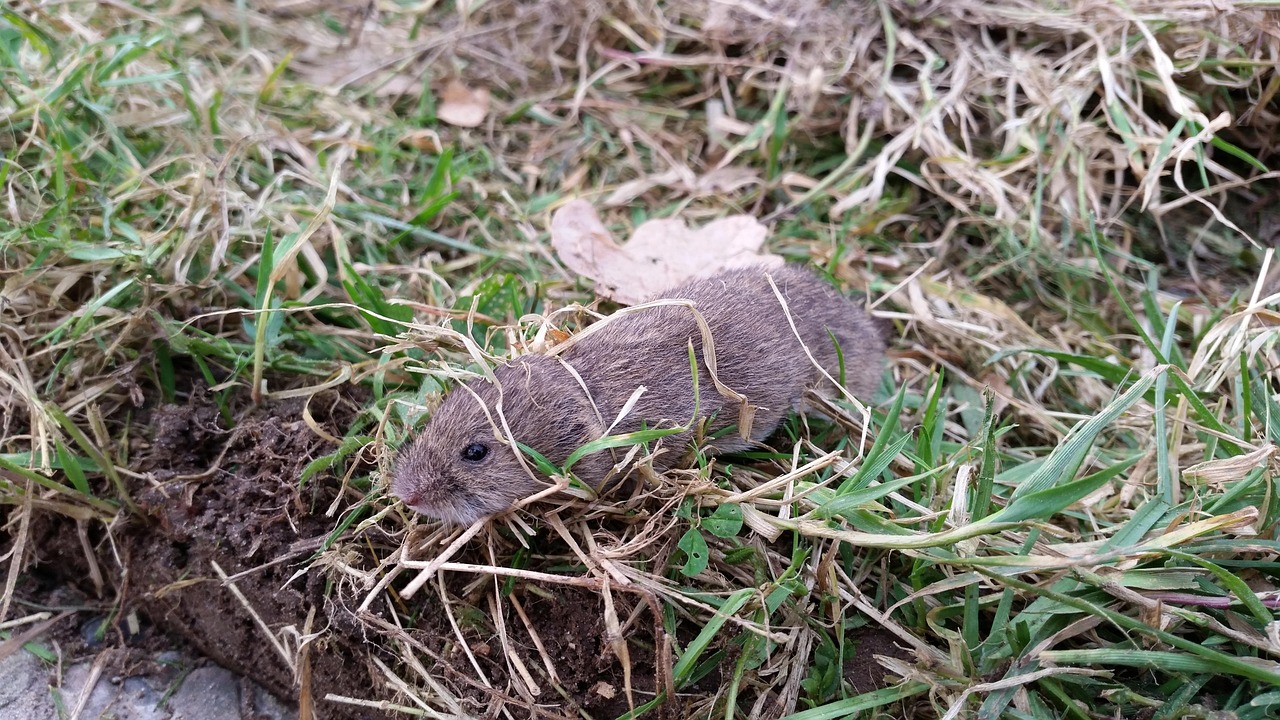
The grasses also provide shelter for small mammals such as Field Voles
They create a network of burrows to get their food source of seeds, roots and leaves
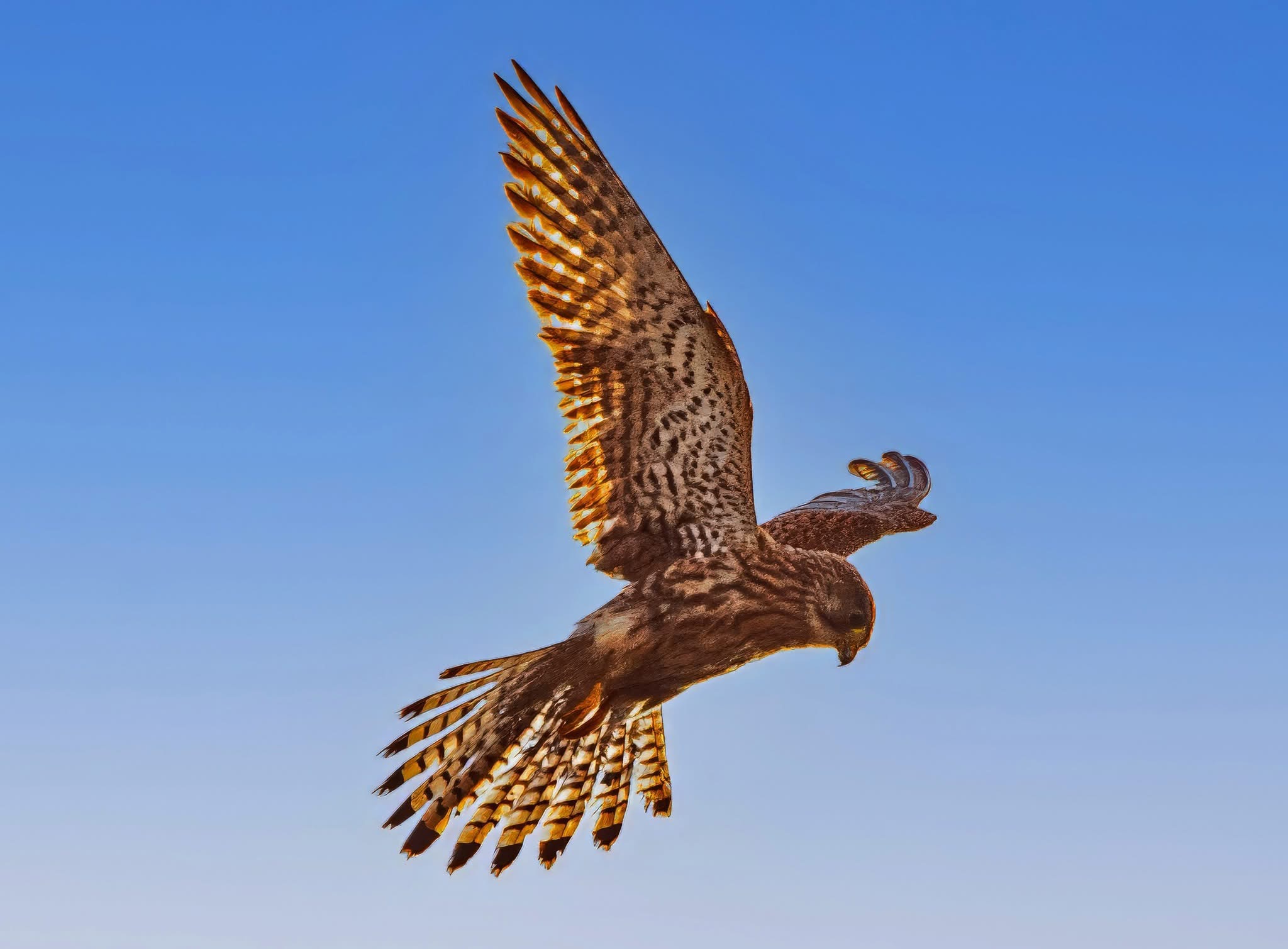
Unfortunately for the field voles, Kestrels know they like to hide here and Kestrels like to eat them ...
Look out for these birds of prey swooping down into the grasses to take their pick!
Explorers, are you enjoying yourselves?
What have you spotted today?
Hawley Meadows changes with the seasons so why not come back another time and see how different it looks?
You might see birds who have migrated thousands of miles, trees getting ready for Autumn or insects bursting out into the Meadows!
Keep following the path until you get to another footbridge.
You don't need to, but why not cross over it and see what else you can find? We are exploring after all!

Where are you going to visit next?
There are so many other places to explore in the Blackwater Valley and we have a growing number of Nature Hunts!
Explorers, its time for us to end our hunt around Hawley Meadows
Head back to the footbridge by the car park or carry on exploring on your own!
I hope you’ve had a great time and we'll see you out in the Blackwater Valley again soon!
Adults, there are a couple more things just for you before you go!
Nature Hunt is a new initiative to get young people out into our natural spaces and build their curiosity about the wildlife they can find
We want our hunts to be engaging for our Explorers but also easy for you to lead so if you have feedback on the hunt, here at Hawley Meadows or any other site, please let us know by emailing dan.lemarquand@bvct.org.uk
And last thing! If your young explorer enjoyed our Nature Hunt, please consider becoming a member of the Blackwater Valley Countryside Trust for just £5 a year!
We're a charitable organisation who protect & enhance the valley and your membership fees help us to continue to this
It also means we’ll put together more of these Nature Hunts in future to entertain your little ones!